

If you're seeking an industrial tape tailored to your needs for high-temperature protection during product manufacturing, you might be perplexed: high-temperature tapes must not only withstand elevated temperatures but also provide stable insulation, adhesive performance, resistance to acids and alkalis, and oil resistance—all of which naturally come at a higher cost. The key lies in selecting the right industrial tape—one that meets production requirements while reducing expenses.
A-High-temperature tapes are primarily classified into the following categories based on their substrate and application.
PE tape: With a temperature resistance of-30°C to 100°C, suitable for smooth surfaces such as films, sheets, plastics, and glass products.
PVC tape: With a temperature resistance of-50°C to 120°C, suitable for providing antioxidant protection to metal and electroplated products.
PP tape: With a temperature resistance range of-30°C to 150°C, suitable for composite panels and mirror-finished hardware plastic materials.
Polyimide (PI) tape: With a temperature range of-269°C to 400°C and excellent insulation properties, it is used for securing flexible circuit boards through reflow soldering, insulating electronic components, and packaging chips.
PTFE tape : Non-stick, chemical-resistant, heat-resistant up to 260°C; used as sealing tape for heat sealing machines, roller coating, food drying tapes, and anti-corrosion pipelines.
PET high-temperature tape: With a temperature resistance of 200°C, it leaves no residue when removed. Features include tin-plated shielding for PCB boards, protective coating for computer cases, LED potting, and electroplating protection.
High-temperature art paper tape: easy to peel, heat-resistant to 120–180°C; suitable for architectural decoration, and spray protection of plastic components.
Fiber glass high-temperature tape: high strength, wear-resistant, and heat-resistant up to 300°C; suitable for motor coil wrapping, high-temperature pipeline sealing, and fire-resistant curtain fixation.
Aluminum foil high-temperature tape: thermal conductive, flame-retardant, and electromagnetic shielding; used for automotive exhaust pipe repair, air conditioning duct sealing, and spacecraft thermal insulation.
High-temperature double-sided adhesive: features strong adhesion and withstands temperatures of 150–230°C, suitable for bonding appliance glass panels, securing automotive nameplates, and installing LED light strips.
Silicone rubber high-temperature tape: soft, aging-resistant, and withstand temperatures up to 250°C. Ideal for bundling new energy batteries, thermal management fixation, and high-temperature sealing.
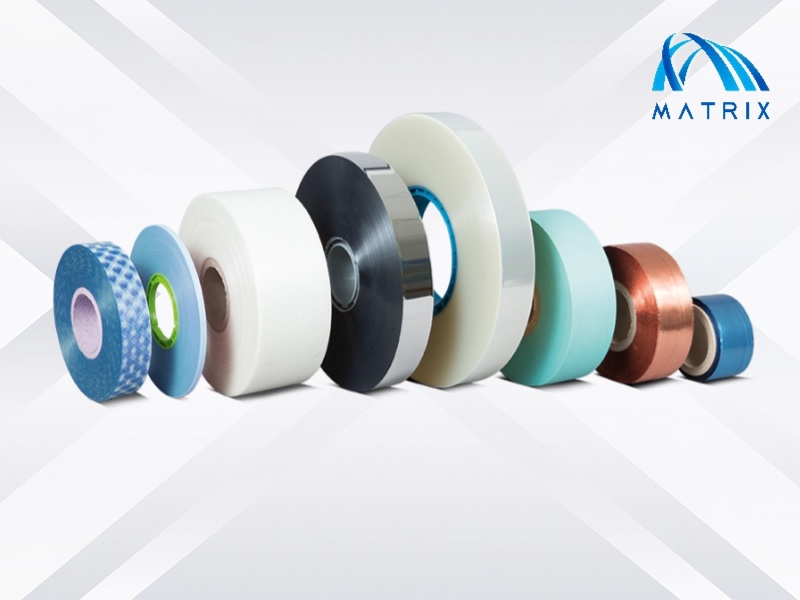
B- Four Core Scenarios
1. High-temperature shielding (anti-pollution/anti-permeation)
2. Spray painting/Powder coating: No spraying required for areas to be shielded during automotive wheel hub and furniture painting processes.
3. PCB wave soldering: Protecting gold fingers and vias from solder contamination
4. High-temperature fixation/binding (as an alternative to mechanical tightening)
5. Lithium battery electrode bundling: Silicone rubber tape resistant to electrolyte corrosion and does not peel off at 250°C
6. Spacecraft insulation layer fixation: Polyimide tape resistant to extreme temperature variations of -269°C to 400°C
7. Insulation protection (short-circuit/breakdown protection)
8. Motor coil insulation: Glass fiber tape with a breakdown voltage of up to 5KV at 300°C
9. Transformer copper foil shielding: Dual protection of electrostatic dissipation via aluminum foil tape and high-temperature resistance
10. Sealing (Leak prevention/Emergency repair)
11. Crack in vehicle exhaust pipe: Immediate repair using aluminum foil tape for resistance to exhaust gas corrosion
12. High-temperature pipeline flanges: PTFE tape provides chemical-resistant sealing for steam pipelines
C- Core Application Areas of High-Temperature Tape
High-temperature protection for plastic and metal plastic injection-molded parts; metal stamping; electroplating, polishing, and spray painting protection; glass printing protection; various surface adhesive tapes commonly used in the electronics and electrical industry.
Circuit board protection: Polyimide tape is used to shield the gold fingers during reflow soldering and wave soldering, preventing solder contamination.
Component fixation and insulation: Use PET green tape to secure resistors and capacitors; use polyimide tape to bundle transformer coils and lithium battery electrodes. Wire and cable treatment: Encase cables with Teflon tape for high-temperature insulation.
Automobile Making
Engine and exhaust pipe sealing: Teflon tape is oil-resistant and wear-resistant, designed for sealing high-temperature pipelines.
Spraying protection: Use corrugated paper tape/PET tape to cover non-sprayed areas of the vehicle body, with resistance to paint baking temperatures.
Aerospace and Heavy Industry
Extreme environmental protection: Polyimide tape is used for thermal insulation in rocket engines and securing aircraft components, offering resistance to high pressure and high temperatures.
Corrosion-resistant sealing: Teflon tape is applied to metallurgical furnaces and chemical pipelines, providing chemical corrosion resistance.
Printed packaging and the light industry
Printing process: The corrugated paper tape securely holds the paper, is solvent-resistant, and tears without leaving marks.
Food and textile machinery: Teflon tape is used as a conveyor belt lining, offering non-stick properties and easy cleaning.
Emerging and Interdisciplinary Fields
New energy battery: Lithium battery electrodes are secured with polyimide tape, providing corrosion resistance against electrolyte.
Building materials processing: PET tape is used for edge protection during high-temperature cutting of glass/ceramics.